Seeing Beyond the Surface: How to Recognize Your Child’s Best Qualities
By Prabhash Chandra Jha
Introduction:
Parenting is an incredible journey filled with ups and downs, challenges, and celebrations. In the hustle of everyday life, it’s easy to focus on correcting behaviors and navigating obstacles. However, one of the most profound gifts you can give your child is the ability to see and appreciate their best qualities. In this exploration of parenthood, we’ll delve into the importance of recognizing and nurturing the unique attributes that make your child who they are.
Embracing Uniqueness: The Heart of Recognition
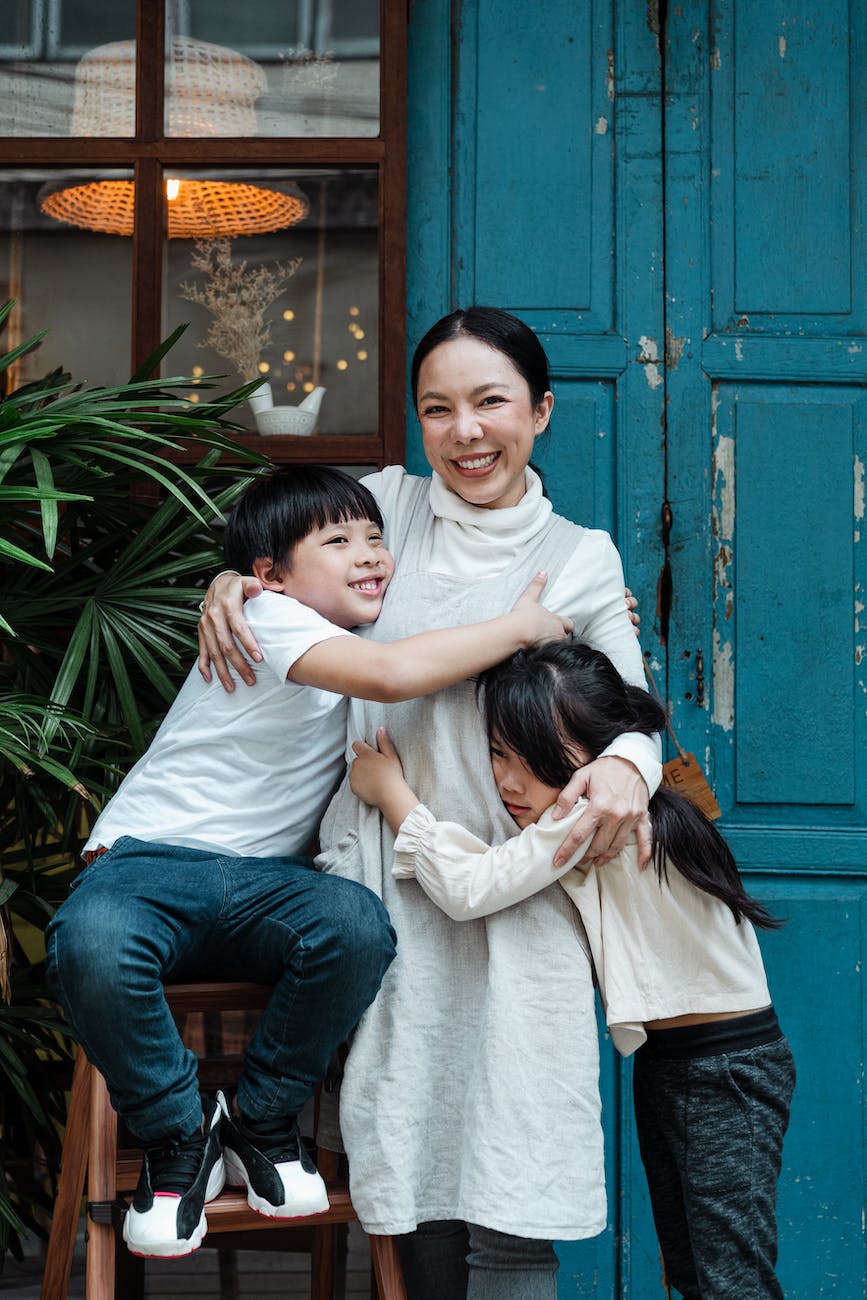
Your child is a unique individual, and embracing their distinct qualities is crucial for their overall well-being. When we acknowledge and celebrate their individuality, we contribute to the development of a strong and positive self-identity. Acceptance becomes the foundation upon which self-esteem is built, paving the way for a resilient and confident child.
Shaping a Positive Identity: The Role of Recognition
A positive self-identity is key to a child’s emotional and social development. Recognizing your child’s best qualities contributes significantly to shaping this identity. We’ll explore how positive reinforcement and a focus on strengths lay the groundwork for a healthy self-concept that will serve your child throughout their life.
Identifying and Encouraging Inherent Talents
Observing and Recognizing Talents: A Parent’s Guide
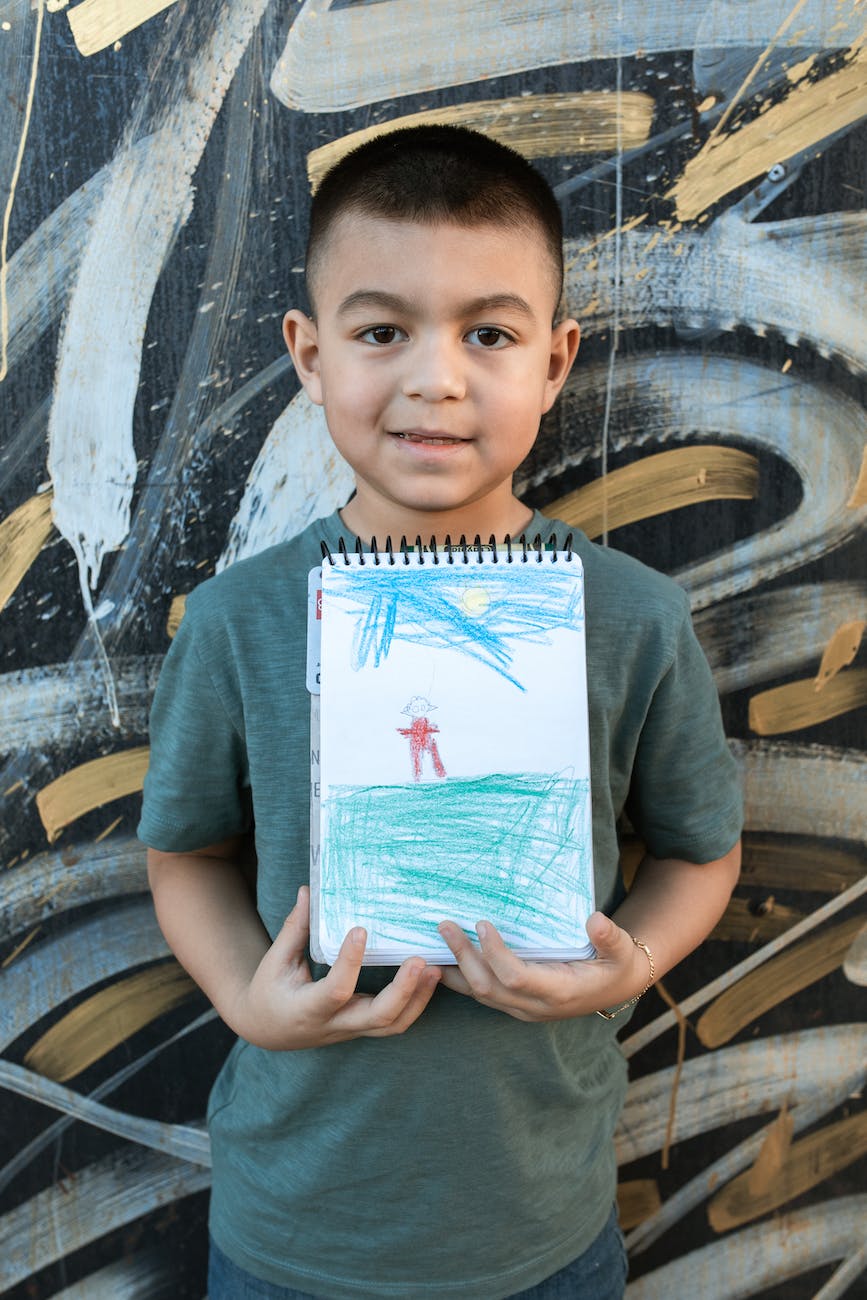
Every child possesses unique talents waiting to be discovered. We’ll discuss the art of keen observation and active listening as powerful tools for identifying these latent gifts. Real-life examples will illustrate the transformative impact of parental support in unlocking a child’s potential.
Nurturing Creativity and Passion: Creating an Enabling Environment
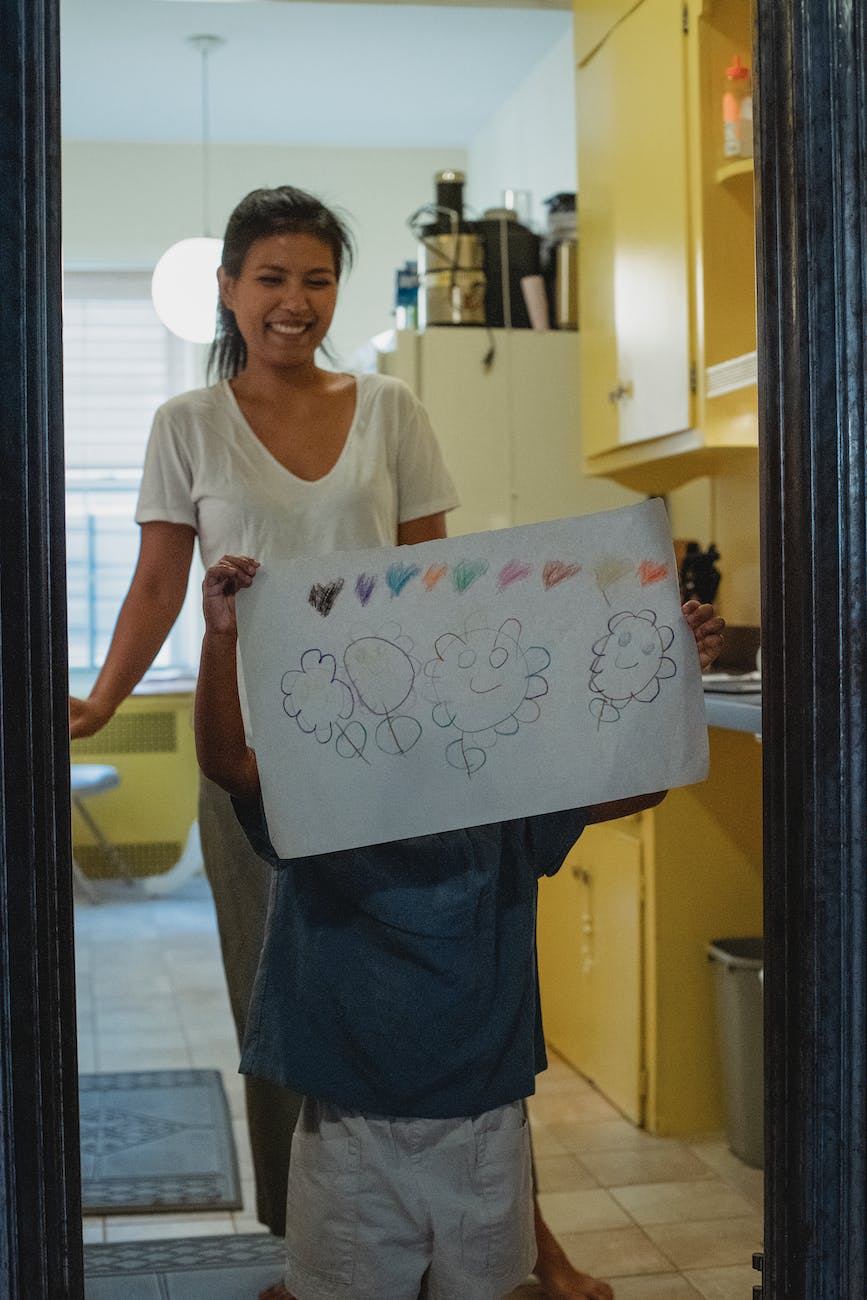
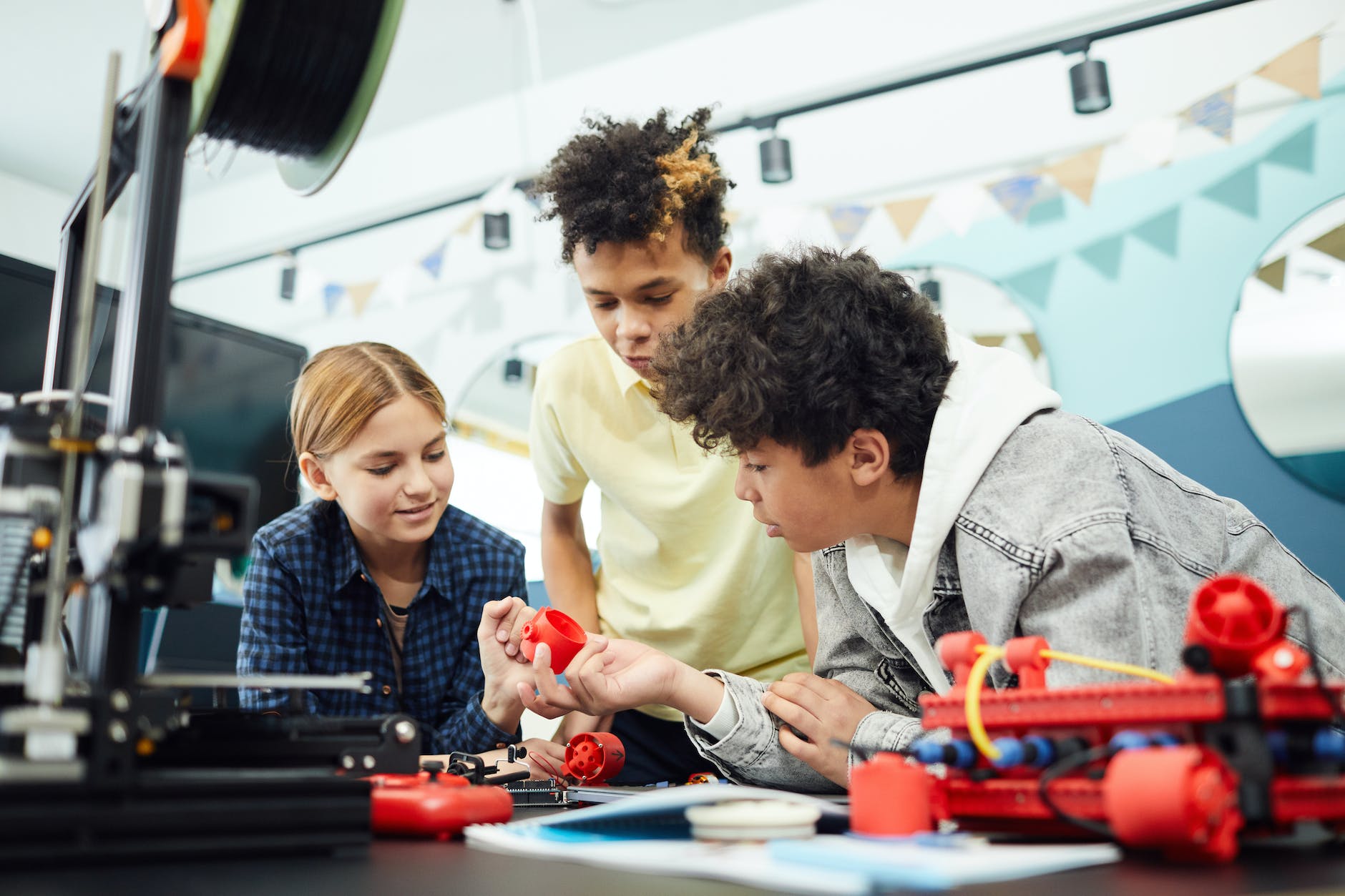
Encouraging creativity and passion is crucial for the holistic development of your child. We’ll explore practical ways to provide a conducive environment that allows your child’s creativity to flourish. From artistic pursuits to scientific curiosity, discover the joy of nurturing your child’s passions.
Balancing Academic and Inherent Skills: Striking the Right Note
Finding the balance between academic expectations and inherent skills can be challenging. This section will provide tips for parents on fostering a holistic approach to education, ensuring that your child’s unique talents are not overshadowed by traditional academic pursuits.
[Image: Child studying with various activities around, emphasizing the need for a balanced approach.]
Building Resilience and a Positive Mindset
The Power of Positive Reinforcement: A Psychological Perspective
Positive reinforcement is a cornerstone of building resilience and a positive mindset. We’ll explore its psychological impact on a child’s development and discuss effective ways to provide constructive praise that boosts confidence and perseverance.
Turning Challenges into Learning Opportunities: Lessons in Resilience
Life is full of challenges, and learning how to turn setbacks into opportunities for growth is a valuable skill. We’ll share stories of resilience, illustrating how setbacks can become powerful learning experiences that shape your child’s character.
Fostering a Growth Mindset: The Path to Recognition
The concept of a growth mindset plays a pivotal role in recognizing and developing one’s best qualities. We’ll provide strategies for cultivating resilience and perseverance in children, fostering a mindset that views challenges as opportunities for growth.
Effective Communication and Understanding
Active Listening: The Foundation of Understanding
Active listening is a fundamental aspect of understanding your child’s thoughts, feelings, and aspirations. This section will highlight its importance and provide communication strategies that strengthen the bond between parent and child.

Open Dialogue About Strengths: Connecting Through Conversation
Creating an open dialogue about your child’s strengths is vital for their emotional well-being. We’ll provide conversation starters and activities that facilitate discussions about personal growth, fostering a sense of openness and trust.
Encouraging Self-Expression: The Power of Communication
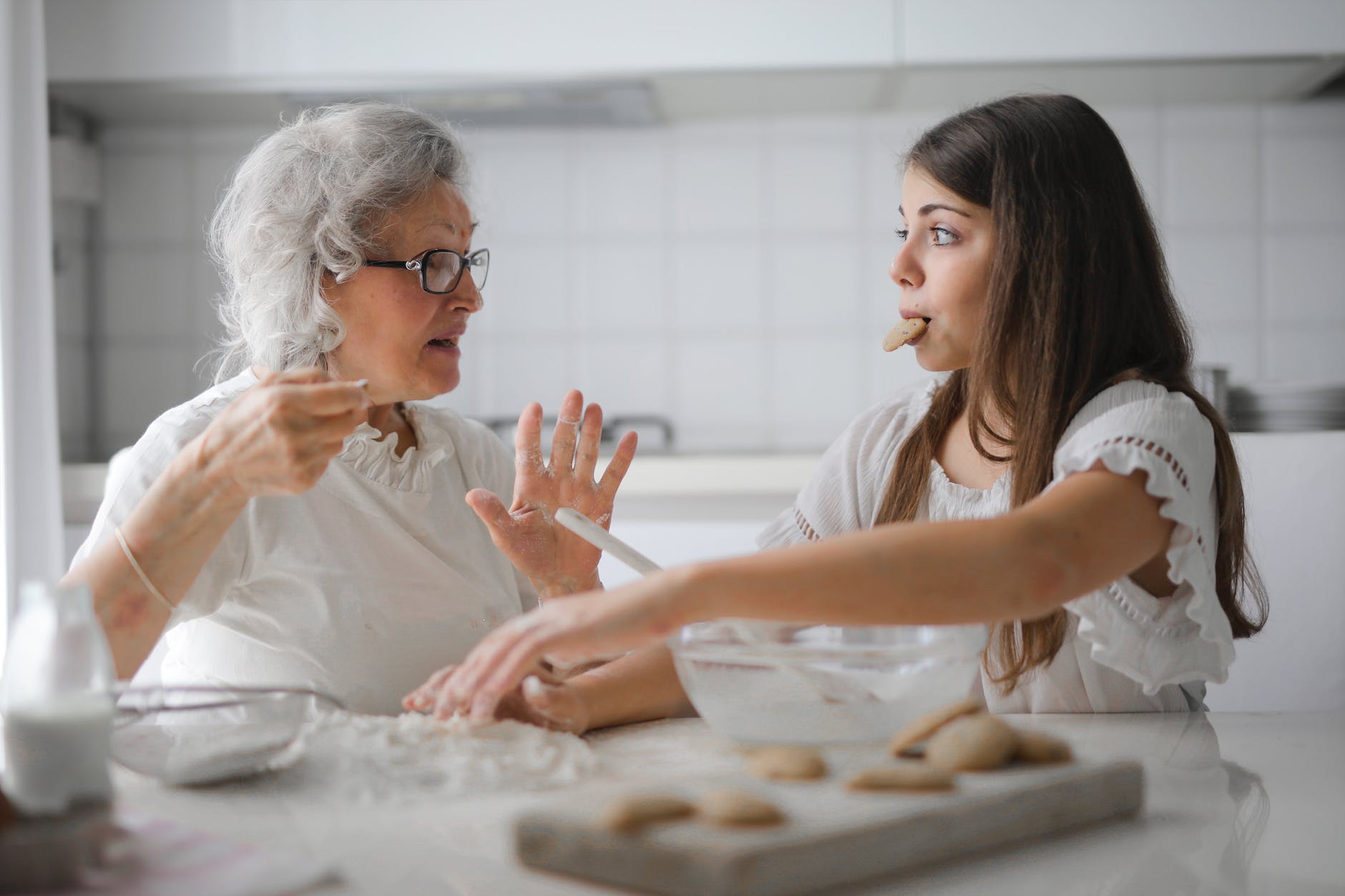
Encouraging your child to express their thoughts, emotions, and ideas is crucial for their overall development. Discover strategies for creating a supportive environment that nurtures open self-expression, fostering a strong parent-child relationship.
Realizing the Long-Term Impact
Building Confidence and Independence: A Parent’s Legacy
Recognizing and nurturing your child’s best qualities contributes to building confidence and fostering independence. Through success stories and testimonials, we’ll illustrate how supportive parenting lays the foundation for a resilient, confident, and self-aware individual.
The Lifelong Journey of Self-Discovery: A Continuous Process
In conclusion, we’ll emphasize that recognizing and nurturing your child’s best qualities is a lifelong journey. By actively engaging in this process, parents contribute to the development of individuals who are not only self-aware but also equipped with the resilience and confidence needed to navigate life’s challenges.
Conclusion
As parents, the journey of recognizing and nurturing your child’s best qualities is a profound and ongoing commitment. By celebrating their uniqueness, encouraging their passions, and fostering resilience, you empower your child to become the best version of themselves. Embrace the journey, and witness the incredible growth and development that unfold when you see beyond the surface.
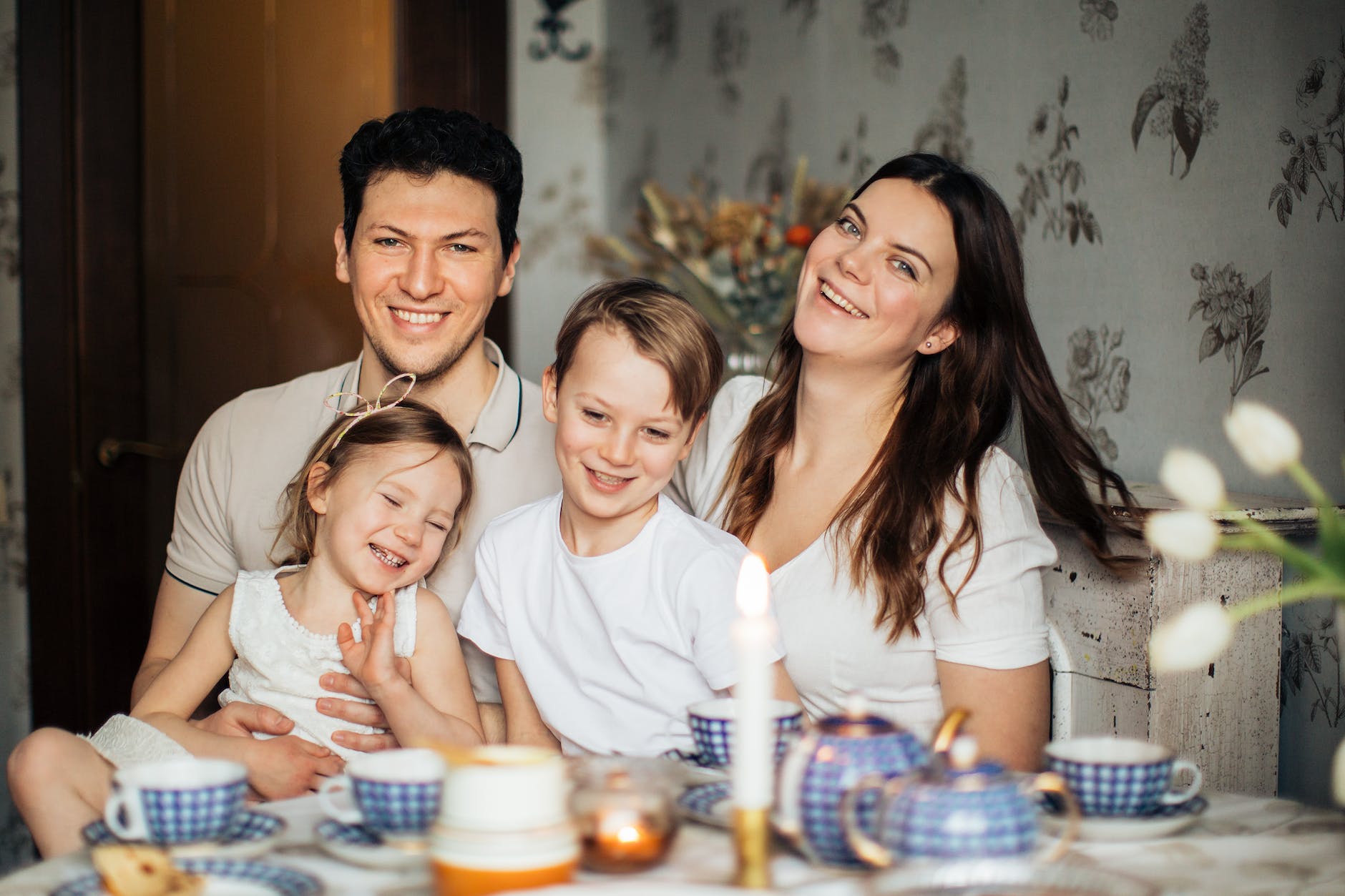
In this comprehensive guide, we’ve explored the heart of recognition, the importance of identifying and encouraging inherent talents, building resilience and a positive mindset, effective communication, and understanding, and the long-term impact of recognizing your child’s best qualities. As you embark on this journey, may you find joy in celebrating the incredible individuality of your child, seeing beyond the surface to nurture the qualities that make them extraordinary.
