
बाल-अस्तित्व: अनलिखा श्लोक और संभावनाओं का अनंत आकाश

बाल-अस्तित्व—यह शब्द जितना सरल प्रतीत होता है, उतना ही गहन अपने अर्थ और विस्तार में है। हम प्रायः बच्चे को आयु की सीमाओं में बाँध देते हैं, उसे कक्षा, पाठ्यपुस्तकों और अनुशासन की परिधि में परिभाषित करने का प्रयास करते हैं; परंतु क्या वास्तव में इस चेतना को इतनी संकीर्ण परिभाषा में समेटा जा सकता है? क्या यह केवल एक शारीरिक अवस्था है, या उससे कहीं अधिक—एक संवेदन, एक जिज्ञासा, एक अनवरत प्रवाह?

बच्चा वस्तुतः एक प्रश्न है—जो स्वयं उत्तर बनने की यात्रा पर है। वह जन्म से ही संसार को समझने का प्रयत्न नहीं करता, वह उसे अनुभव करता है, उसे जीता है। उसकी दृष्टि में प्रत्येक वस्तु नवीन है, प्रत्येक क्षण एक उद्घाटन है। वह न पूर्वाग्रहों से बंधा है, न सीमाओं से। वह अपने भीतर एक स्वाभाविक स्वतंत्रता और निष्कपटता लिए होता है, जो उसे सत्य के निकटतम बनाती है।

“बच्चा वह नहीं जो केवल सीखता है, बल्कि वह है जो संसार को पुनः रचता है।”
— प्रभाष चन्द्र | prabhash.blog

जब हम बच्चे को केवल ‘शिक्षार्थी’ मान लेते हैं, तब हम उसकी मौलिकता के साथ अन्याय करते हैं। शिक्षा का उद्देश्य बच्चे को ढालना नहीं, बल्कि उसे समझना और उसकी अंतर्निहित संभावनाओं को जागृत करना होना चाहिए। बच्चा कोई खाली पात्र नहीं है जिसे ज्ञान से भर दिया जाए; वह एक प्रज्वलित दीप है, जिसे केवल दिशा की आवश्यकता है।

“शिक्षा का प्रथम दायित्व यह नहीं कि वह बच्चे को बदल दे, बल्कि यह कि वह उसे स्वयं होने की स्वतंत्रता दे।”
— प्रभाष चन्द्र

बच्चे की दुनिया में कल्पना का अत्यंत महत्वपूर्ण स्थान है। जहाँ वयस्क यथार्थ की कठोरता में बंधे होते हैं, वहीं बच्चा कल्पना के पंखों से आकाश को छूता है। उसके लिए एक साधारण वस्तु भी असाधारण हो सकती है—एक लकड़ी की छड़ी घोड़ा बन सकती है, एक कागज़ का टुकड़ा उड़ता हुआ स्वप्न। यह कल्पनाशीलता ही उसकी सृजनात्मकता का मूल है।

परंतु आधुनिक शिक्षा प्रणाली में, हम अनजाने में इस कल्पना को सीमित कर देते हैं। हम उसे उत्तर सिखाते हैं, प्रश्न पूछना नहीं; हम उसे अनुकरण सिखाते हैं, सृजन नहीं। परिणामस्वरूप, बच्चा धीरे-धीरे अपने भीतर की उस स्वाभाविक जिज्ञासा को खोने लगता है, जो उसके अस्तित्व का मूल तत्व है।

“जब बच्चा प्रश्न पूछना छोड़ देता है, तब शिक्षा का सबसे बड़ा उद्देश्य विफल हो जाता है।”
— प्रभाष चन्द्र

बच्चे को समझना केवल शैक्षिक आवश्यकता नहीं, यह एक मानवीय दायित्व है। यह स्वीकार करना आवश्यक है कि प्रत्येक बच्चा अद्वितीय है—उसकी गति, उसकी रुचि, उसकी अभिव्यक्ति, सब कुछ भिन्न है। उसे एक समान मापदंडों में बाँधना, उसकी व्यक्तिगत पहचान को नकारने के समान है।

महान चिंतकों ने भी इस विशिष्टता को स्वीकार किया है—
“Every child is an artist. The problem is how to remain an artist once we grow up.”
— Pablo Picasso

यह कथन यह सोचने पर विवश करता है कि क्या हमारी शिक्षा प्रणाली बच्चे के भीतर के कलाकार को जीवित रख पाती है, या उसे धीरे-धीरे समाप्त कर देती है।

अतः आवश्यक है कि हम बच्चे को केवल भविष्य के नागरिक के रूप में न देखें, बल्कि वर्तमान के सृजक के रूप में स्वीकार करें। यह केवल ‘बनने’ की प्रक्रिया में नहीं है; यह ‘होने’ की पूर्णता में भी है। उसकी हँसी, उसके प्रश्न, उसकी कल्पनाएँ—ये सब उसके अस्तित्व के अभिन्न अंग हैं, जिन्हें संजोना और संरक्षित करना हमारा कर्तव्य है।

“बच्चा कोई अधूरा वयस्क नहीं है; वह अपने आप में एक संपूर्ण अस्तित्व है।”
— प्रभाष चन्द्र

अंततः, बच्चे को समझना स्वयं को समझने की यात्रा है। क्योंकि जिस निष्कपटता, जिज्ञासा और स्वतंत्रता को हम बच्चे में देखते हैं, वही हमारे भीतर भी कभी विद्यमान थी। यह हमें स्मरण कराता है कि जीवन का सार सरलता में है, और सृजन का मूल जिज्ञासा में।

इसलिए, यदि एक बेहतर समाज का निर्माण करना है, तो बच्चों को बदलने की नहीं, उन्हें समझने की आवश्यकता है—उनकी दृष्टि से संसार को देखने की आवश्यकता है। तभी एक ऐसी शिक्षा और संस्कृति का निर्माण संभव है, जो वास्तव में मानवीय, जीवंत और सार्थक हो।

— प्रभाष चन्द्र
शिक्षाविद् एवं विचारक

आह्वान और हृदय के मध्य का मौन संवाद

अभिभावक–शिक्षक संबंधों में संवेदना, संरचना और संतुलन की अनिवार्यता

लेखक: प्रभाष चन्द्र झा| शिक्षाविद् एवं विचारक

भारतीय विद्यालय व्यवस्था में शिक्षा को प्रायः पाठ्यक्रम, परीक्षा और परिणामों के दायरे में सीमित कर दिया जाता है। किंतु यदि हम विद्यालय के जीवन को थोड़ी सूक्ष्म दृष्टि से देखें, तो एक ऐसा क्षण उभरकर सामने आता है जो इन सबके समानांतर चलते हुए भी उनसे कहीं अधिक प्रभावशाली होता है। यह क्षण है—अभिभावक और शिक्षक के बीच होने वाला संवाद। यह केवल एक औपचारिक बैठक नहीं होती, बल्कि अपेक्षाओं, आशंकाओं, अनुभवों और विश्वासों का वह संगम होती है जहाँ शिक्षा का वास्तविक स्वरूप आकार लेता है।

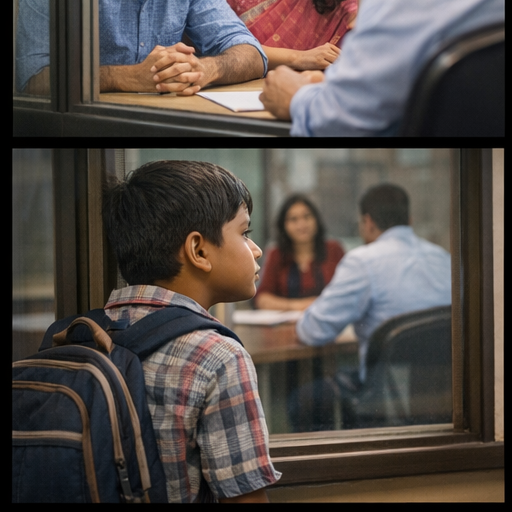
सामान्यतः अभिभावक-शिक्षक बैठक को एक प्रशासनिक प्रक्रिया के रूप में देखा जाता है, जहाँ छात्र के अंक, व्यवहार और प्रगति पर चर्चा होती है। किंतु इस प्रक्रिया की सतह के नीचे एक जटिल भावनात्मक संरचना सक्रिय होती है। एक पिता अपने बच्चे के भविष्य को लेकर चिंतित होता है, एक माँ अपने बच्चे की भावनात्मक सुरक्षा और स्वीकार्यता को लेकर सजग रहती है, और इन दोनों के बीच एक शिक्षक खड़ा होता है जिससे अपेक्षा की जाती है कि वह केवल जानकारी ही नहीं दे, बल्कि संतुलन भी बनाए रखे। इस त्रिकोणीय संबंध में संवाद का प्रत्येक शब्द, प्रत्येक विराम और प्रत्येक भाव गहरे प्रभाव उत्पन्न करता है।

अभिभावकों के प्रश्न अक्सर सीधे प्रतीत होते हैं, परंतु उनके पीछे की भावनाएँ कहीं अधिक जटिल होती हैं। “अंक कम क्यों हैं?”—यह प्रश्न केवल शैक्षणिक प्रदर्शन का नहीं, बल्कि सामाजिक तुलना, भविष्य की अनिश्चितता और व्यक्तिगत अपेक्षाओं का मिश्रण होता है। “मैं संतुष्ट नहीं हूँ”—यह केवल असंतोष की अभिव्यक्ति नहीं, बल्कि संवाद की कमी, सहभागिता की इच्छा और आश्वासन की तलाश का संकेत हो सकता है। आधुनिक मनोविज्ञान हमें यह बताता है कि व्यक्ति परिस्थितियों पर नहीं, बल्कि उन परिस्थितियों की अपनी व्याख्या पर प्रतिक्रिया करता है। इस दृष्टि से देखा जाए तो अभिभावक का व्यवहार समस्या नहीं, बल्कि उसके भीतर चल रही भावनात्मक प्रक्रिया की अभिव्यक्ति है।

संवाद केवल शब्दों तक सीमित नहीं होता। शरीर भाषा—बैठने की मुद्रा, आँखों का संपर्क, हाथों की गति और यहाँ तक कि मौन भी—संवाद का एक महत्वपूर्ण हिस्सा होते हैं। एक अभिभावक का आगे झुककर बैठना उसकी व्यग्रता का संकेत हो सकता है, हाथों का बंधा होना उसके रक्षात्मक दृष्टिकोण को दर्शा सकता है, और बार-बार प्रश्न पूछना नियंत्रण पाने की कोशिश को प्रकट कर सकता है। अनेक शोध यह संकेत देते हैं कि संप्रेषण का एक बड़ा भाग अशाब्दिक संकेतों के माध्यम से होता है। अतः यदि शिक्षक केवल शब्दों को सुनते हैं, तो वे संवाद के वास्तविक अर्थ को समझने से वंचित रह जाते हैं।

आज की शिक्षा प्रणाली में शिक्षक की भूमिका केवल विषय ज्ञान देने तक सीमित नहीं रह गई है। वह एक भावनात्मक मध्यस्थ के रूप में भी कार्य करता है, जिसे अलग-अलग भावनात्मक स्थितियों के बीच संतुलन स्थापित करना होता है। किंतु इस भूमिका की सबसे बड़ी चुनौती स्वयं को संतुलित बनाए रखना है। जब कोई अभिभावक तीव्र स्वर में प्रश्न करता है या शिक्षक की कार्यप्रणाली पर संदेह व्यक्त करता है, तो स्वाभाविक प्रतिक्रिया रक्षात्मक हो सकती है। ऐसे क्षणों में शिक्षक की परिपक्वता इस बात से तय होती है कि वह प्रतिक्रिया देता है या सजग होकर उत्तर देता है।

संवाद के दौरान एक सूक्ष्म अंतराल होता है—सुनने और उत्तर देने के बीच। यह वही क्षण है जहाँ शिक्षक अपने भीतर की प्रतिक्रिया को पहचान सकता है और उसे नियंत्रित कर सकता है। यदि इस क्षण को सचेत रूप से स्वीकार किया जाए और कुछ पल का विराम लिया जाए, तो संवाद की दिशा बदल सकती है। यह विराम केवल समय का अंतर नहीं होता, बल्कि वह स्थान होता है जहाँ समझ, धैर्य और संतुलन जन्म लेते हैं।

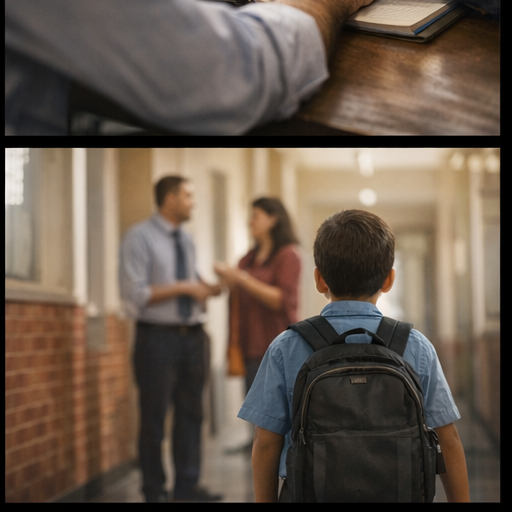
अभिभावक-शिक्षक संवाद में एक तीसरी उपस्थिति भी होती है—बालक। वह भले ही इस संवाद में सक्रिय रूप से भाग न ले, परंतु वह उसका सबसे गहरा प्रभाव ग्रहण करता है। मनोवैज्ञानिक अल्बर्ट बंडूरा के प्रेक्षणीय अधिगम सिद्धांत के अनुसार, बालक अपने आसपास के व्यवहार को देखकर सीखता है। इस प्रकार वह यह सीखता है कि मतभेद कैसे व्यक्त किए जाते हैं, संवाद में सम्मान कैसे बनाए रखा जाता है और कठिन परिस्थितियों में संतुलन कैसे रखा जाता है। इस दृष्टि से देखा जाए तो प्रत्येक अभिभावक-शिक्षक संवाद केवल एक चर्चा नहीं, बल्कि एक जीवंत पाठ है जिसे बालक चुपचाप आत्मसात कर रहा होता है।

यदि हम इस पूरे परिदृश्य को सुधार की दृष्टि से देखें, तो कुछ बुनियादी परिवर्तन आवश्यक प्रतीत होते हैं। सबसे पहले, प्रतिक्रिया के स्थान पर सजग उत्तर देने की संस्कृति विकसित करनी होगी। इसके साथ ही संवाद में केवल तथ्यों पर नहीं, बल्कि भावनाओं पर भी ध्यान देना होगा। अभिभावकों को केवल सुनने वाला नहीं, बल्कि सहभागी बनाना होगा। शिक्षकों के लिए नियमित प्रशिक्षण और समर्थन प्रणाली विकसित करनी होगी ताकि वे इस जटिल भावनात्मक प्रक्रिया को अधिक प्रभावी ढंग से संभाल सकें।

विद्यालय केवल ज्ञान देने का केंद्र नहीं है, वह संबंधों और विश्वास का भी निर्माण स्थल है। यदि अभिभावक और शिक्षक के बीच संवाद में स्पष्टता, संवेदना और संतुलन हो, तो यह न केवल छात्र के शैक्षणिक विकास को प्रभावित करता है, बल्कि उसके भावनात्मक और सामाजिक विकास को भी दिशा देता है। यही वह स्थान है जहाँ शिक्षा केवल सूचना नहीं रहती, बल्कि अनुभव बन जाती है।

अंततः यह समझना आवश्यक है कि शिक्षा का वास्तविक स्वरूप पाठ्यपुस्तकों और परीक्षाओं के बाहर भी विद्यमान है। वह उन सूक्ष्म संवादों में जीवित है जो प्रतिदिन विद्यालयों में घटित होते हैं। अभिभावक और शिक्षक के बीच का यह मौन संवाद ही वह सेतु है जो बच्चे के भीतर विश्वास, संतुलन और समझ का निर्माण करता है।

हर शिक्षा श्यामपट पर नहीं लिखी जाती,
कुछ संवादों में जी जाती है,
और उन्हीं मौन क्षणों में—
शिक्षा अपने सत्य को प्रकट करती है।

Between the Bell and the Heart

By-Prabhash Chandra Jha

What Parent Conversations Taught Me About Teaching

There is a moment in every school day that rarely gets recorded.

It does not appear in lesson plans.
It is not reflected in report cards.
It is not discussed in academic meetings.

And yet—
it shapes everything.

It is the moment when a parent sits across from a teacher.

I have sat in that chair countless times.


Sometimes confident.
Sometimes prepared.
Sometimes certain that I knew what I would say.

And yet, again and again, I realized—
no two conversations are ever the same.

Because no two parents come with the same story.


The Meeting That Is Never Just a Meeting

On the surface, a parent-teacher meeting looks simple.

We talk about marks.
We discuss behavior.
We suggest improvement.

But beneath that—

There is something deeper moving.

A father measuring outcomes.
A mother seeking reassurance.
A child silently observing everything.

And a teacher—
trying to hold all of it together.


What I Learnt Slowly

In the beginning, I focused on answers.

  • Explaining performance
  • Justifying decisions
  • Clarifying expectations

But over time, something changed.

I began to observe more than I spoke.

And I realized—

Most parents are not asking questions.
They are expressing something they themselves may not fully understand.


Behind Every Question

When a parent asks:

“Why are marks low?”

It is not always about marks.

It could be:

  • Fear of failure
  • Comparison with others
  • Concern about the future

When a parent says:

“I am not satisfied.”

It is not always dissatisfaction.

It could be:

  • Lack of clarity
  • Need for reassurance
  • Desire to feel involved

And when a parent raises their voice—

It is rarely anger alone.

It is often anxiety that has found volume.


The Silent Language of the Room

Over time, I stopped listening only to words.

I started watching:

  • The way a parent sits
  • The pauses between sentences
  • The eyes that look away before speaking

Because the body speaks before the voice does.

A leaning posture reveals urgency.
A tightened jaw reveals restraint.
A silence reveals more than a long explanation.


And I began to understand—

If I respond only to words,
I miss the conversation.


The Teacher’s Real Challenge

The real challenge is not handling parents.

It is handling ourselves in front of parents.


There are moments when:

  • A question feels like a challenge
  • A tone feels disrespectful
  • A comparison feels personal

And in those moments,
the instinct is to react.


But I learned something slowly—

Reaction closes conversations.
Awareness opens them.


The Pause That Changes Everything

There is a small space between:

What we hear
and
What we say.


Most of us rush through it.

But when I began to pause—
even for two seconds—
something changed.

My tone softened.
My words became clearer.
The room became calmer.


And I realized—

Control is not in speaking quickly.
It is in choosing when to speak.


What Parents Really Need

Over the years, I have met every kind of parent.

  • The demanding one
  • The anxious one
  • The silent one
  • The over-involved one
  • The completely absent one

And yet, beneath all these forms,
their needs are surprisingly similar.


They want:

  • To feel heard
  • To feel respected
  • To feel that their child is understood

And when these needs are met—
even partially—
the tone of the conversation changes.


The Child in the Middle

There is something I remind myself in every difficult meeting.

There is a child in the room.

Even if they are not physically present.


Because what we say—
and how we say it—

will reach them.


They may forget the marks discussed.

But they will remember:

  • Whether their parent was calm or anxious
  • Whether their teacher was patient or defensive

And from that,
they will form their understanding of school.


What This Journey Changed in Me

Over time, I stopped trying to:

  • Win conversations
  • Prove correctness
  • Defend every point

And I started trying to:

  • Understand before responding
  • Balance before explaining
  • Stabilize before solving

Because I realized—

A good conversation does not end with agreement.

It ends with understanding.


A Small Realization

Not every meeting will go perfectly.

Not every parent will be satisfied.

Not every situation will resolve immediately.


But if, in that interaction:

  • The tone remains respectful
  • The space remains safe
  • The child remains protected

Then something important has already been achieved.


A Final Thought

Between the bell that starts a class
and the heart that carries a child—

there exists a space.


It is not filled with textbooks.

It is filled with conversations.


And how we handle those conversations
defines not just our effectiveness as teachers—
but our impact as human beings.


Closing Lines

Not every lesson is written on the board,
some are lived in moments,
and in those quiet exchanges,
education finds its true meaning.

Seeing Beyond the Surface: How to Recognize Your Child’s Best Qualities

Seeing Beyond the Surface: How to Recognize Your Child’s Best Qualities

By Prabhash Chandra Jha

Introduction:

Parenting is an incredible journey filled with ups and downs, challenges, and celebrations. In the hustle of everyday life, it’s easy to focus on correcting behaviors and navigating obstacles. However, one of the most profound gifts you can give your child is the ability to see and appreciate their best qualities. In this exploration of parenthood, we’ll delve into the importance of recognizing and nurturing the unique attributes that make your child who they are.

Embracing Uniqueness: The Heart of Recognition

Your child is a unique individual, and embracing their distinct qualities is crucial for their overall well-being. When we acknowledge and celebrate their individuality, we contribute to the development of a strong and positive self-identity. Acceptance becomes the foundation upon which self-esteem is built, paving the way for a resilient and confident child.

photo of woman hugging her children while smiling
Photo by Ketut Subiyanto on Pexels.com

Shaping a Positive Identity: The Role of Recognition

A positive self-identity is key to a child’s emotional and social development. Recognizing your child’s best qualities contributes significantly to shaping this identity. We’ll explore how positive reinforcement and a focus on strengths lay the groundwork for a healthy self-concept that will serve your child throughout their life.

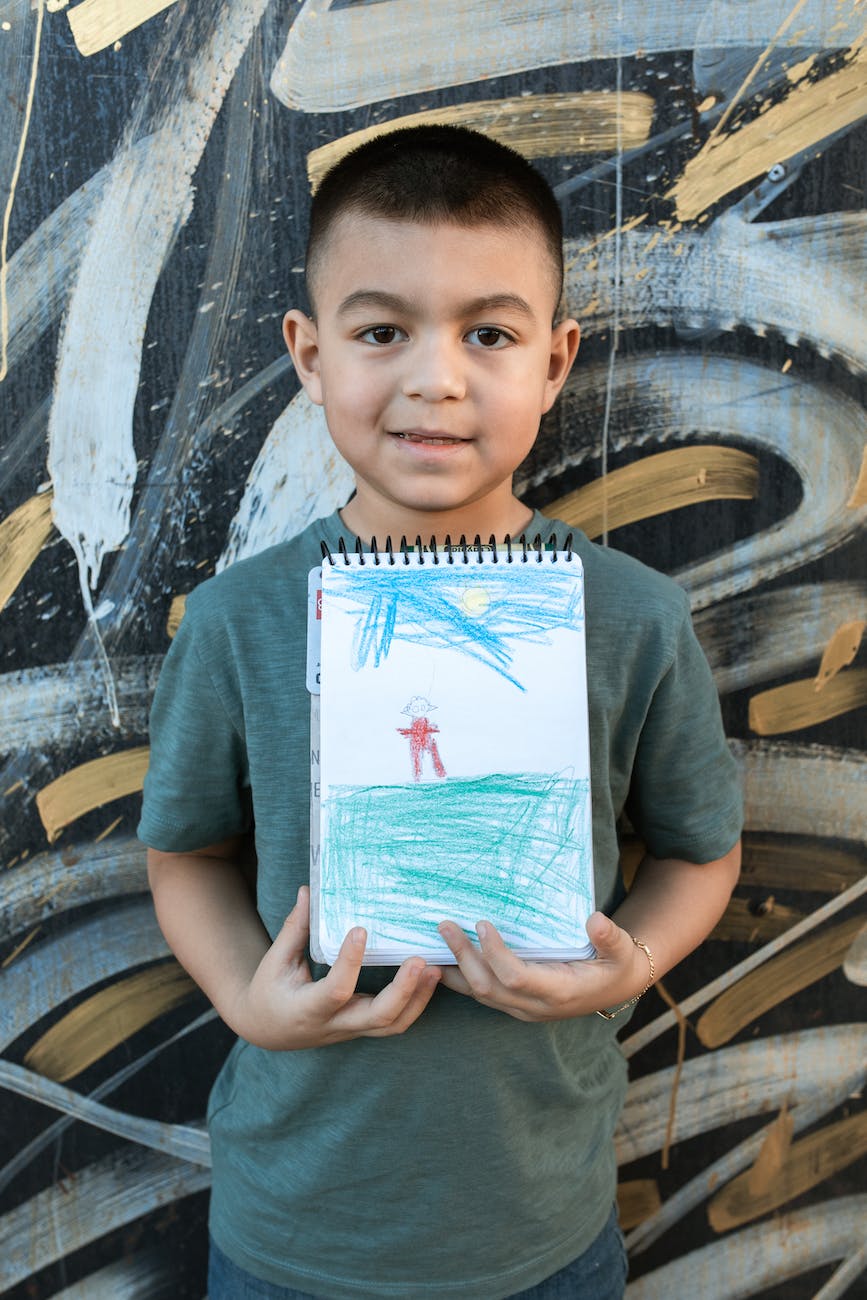
boy in gray crew neck t shirt holding his drawing
Photo by RDNE Stock project on Pexels.com

Identifying and Encouraging Inherent Talents

Observing and Recognizing Talents: A Parent’s Guide

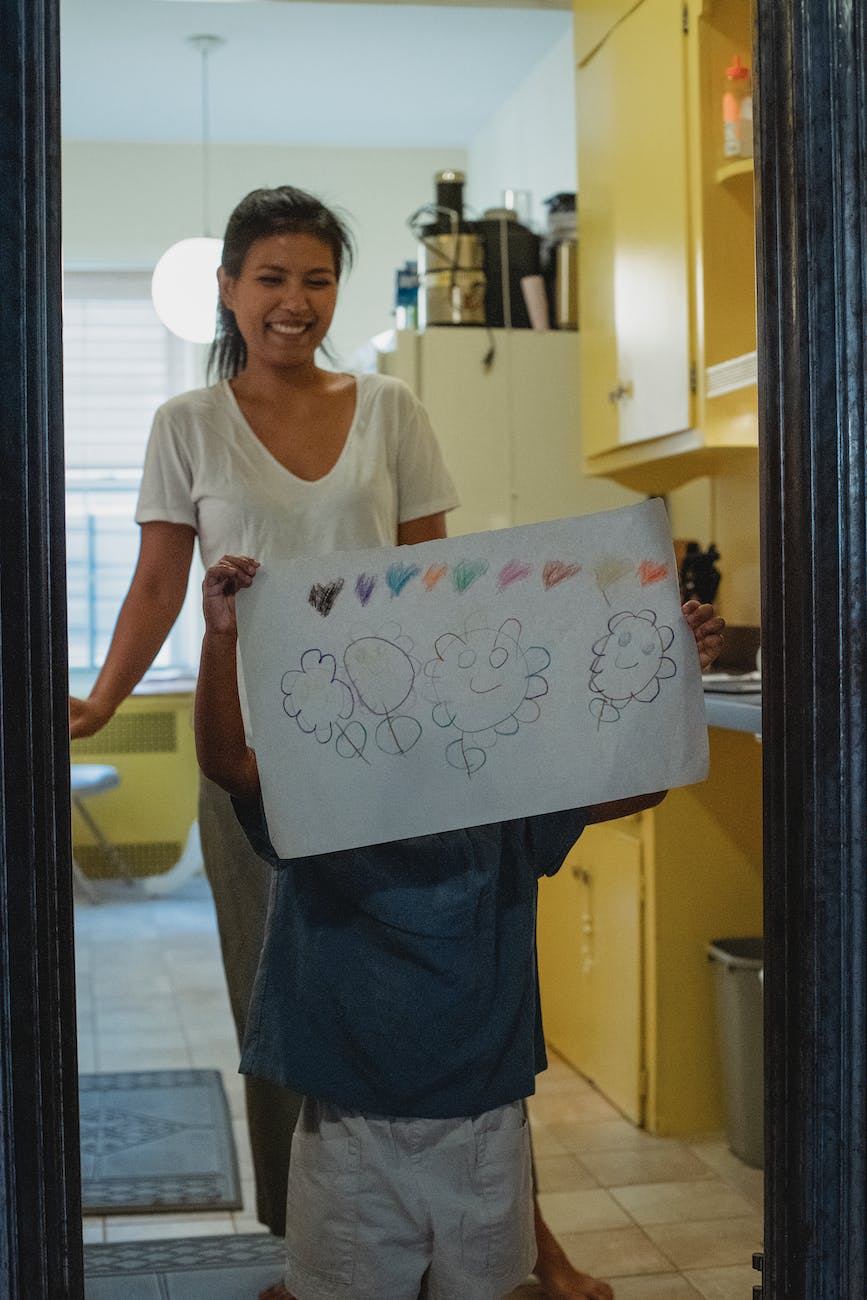
Every child possesses unique talents waiting to be discovered. We’ll discuss the art of keen observation and active listening as powerful tools for identifying these latent gifts. Real-life examples will illustrate the transformative impact of parental support in unlocking a child’s potential.

kid demonstrating drawing near happy ethnic mother at home
Photo by Kamaji Ogino on Pexels.com

Nurturing Creativity and Passion: Creating an Enabling Environment

Encouraging creativity and passion is crucial for the holistic development of your child. We’ll explore practical ways to provide a conducive environment that allows your child’s creativity to flourish. From artistic pursuits to scientific curiosity, discover the joy of nurturing your child’s passions.

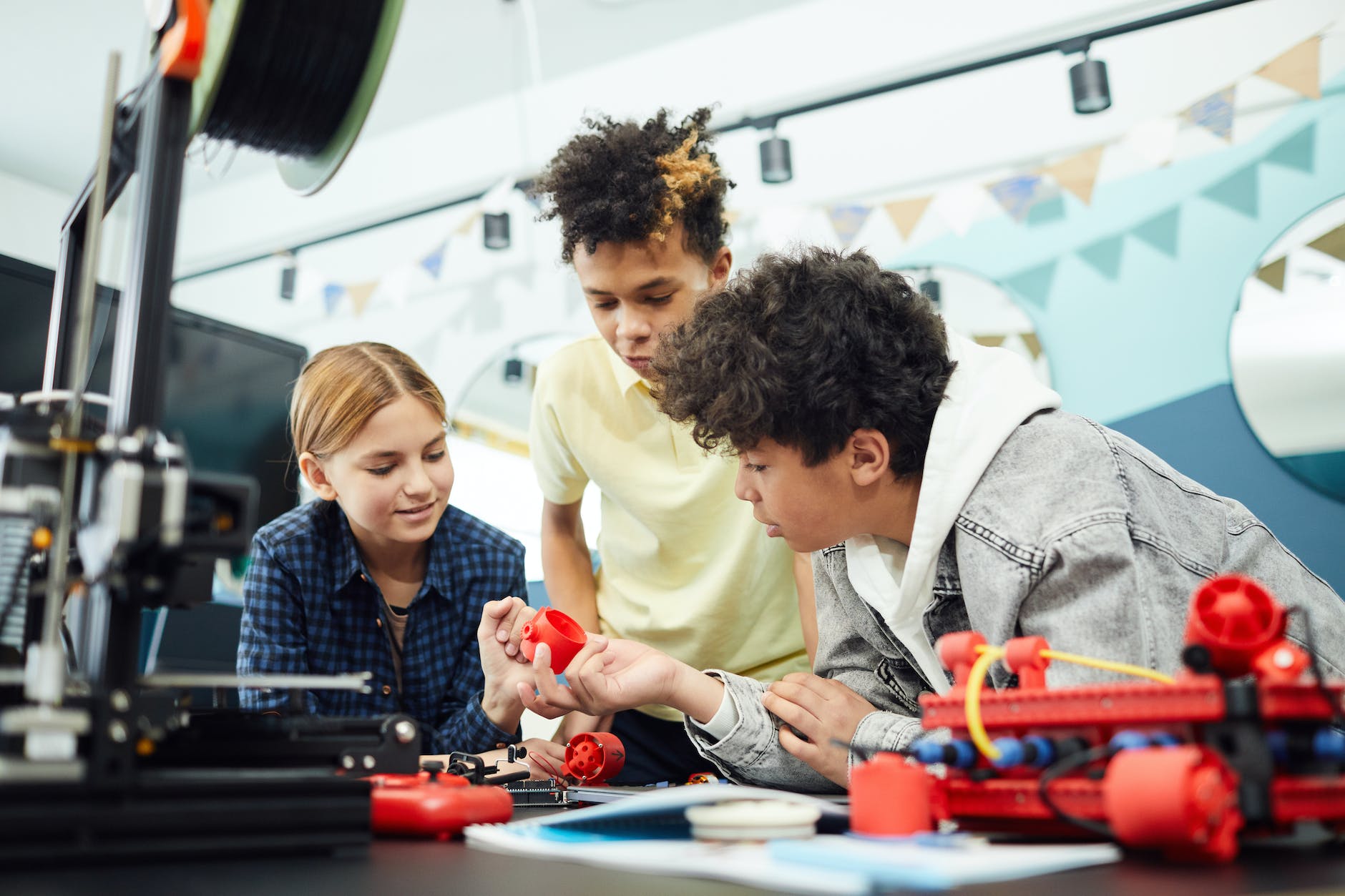
focused group of kids working on table together
Photo by Vanessa Loring on Pexels.com

Balancing Academic and Inherent Skills: Striking the Right Note

Finding the balance between academic expectations and inherent skills can be challenging. This section will provide tips for parents on fostering a holistic approach to education, ensuring that your child’s unique talents are not overshadowed by traditional academic pursuits.

[Image: Child studying with various activities around, emphasizing the need for a balanced approach.]

Building Resilience and a Positive Mindset

The Power of Positive Reinforcement: A Psychological Perspective

Positive reinforcement is a cornerstone of building resilience and a positive mindset. We’ll explore its psychological impact on a child’s development and discuss effective ways to provide constructive praise that boosts confidence and perseverance.

crop little girl with man making dough with flour
Photo by Elina Fairytale on Pexels.com

Turning Challenges into Learning Opportunities: Lessons in Resilience

Life is full of challenges, and learning how to turn setbacks into opportunities for growth is a valuable skill. We’ll share stories of resilience, illustrating how setbacks can become powerful learning experiences that shape your child’s character.

girl holding her artwork
Photo by Artem Podrez on Pexels.com

Fostering a Growth Mindset: The Path to Recognition

The concept of a growth mindset plays a pivotal role in recognizing and developing one’s best qualities. We’ll provide strategies for cultivating resilience and perseverance in children, fostering a mindset that views challenges as opportunities for growth.

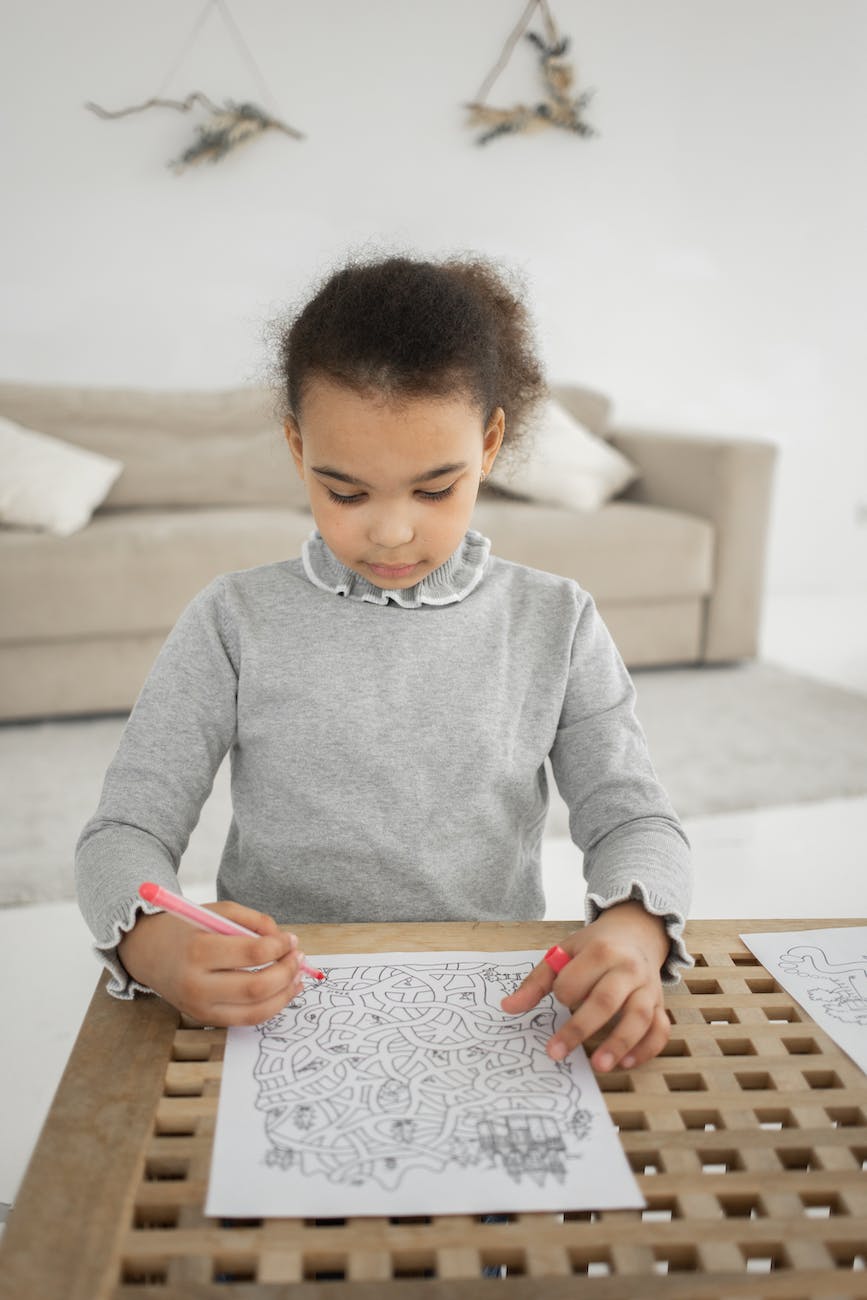
girl looking at paper with labyrinth
Photo by Monstera Production on Pexels.com

Effective Communication and Understanding

Active Listening: The Foundation of Understanding

Active listening is a fundamental aspect of understanding your child’s thoughts, feelings, and aspirations. This section will highlight its importance and provide communication strategies that strengthen the bond between parent and child.

happy black father and kid playing video game at home
Photo by Ketut Subiyanto on Pexels.com

Open Dialogue About Strengths: Connecting Through Conversation

Creating an open dialogue about your child’s strengths is vital for their emotional well-being. We’ll provide conversation starters and activities that facilitate discussions about personal growth, fostering a sense of openness and trust.

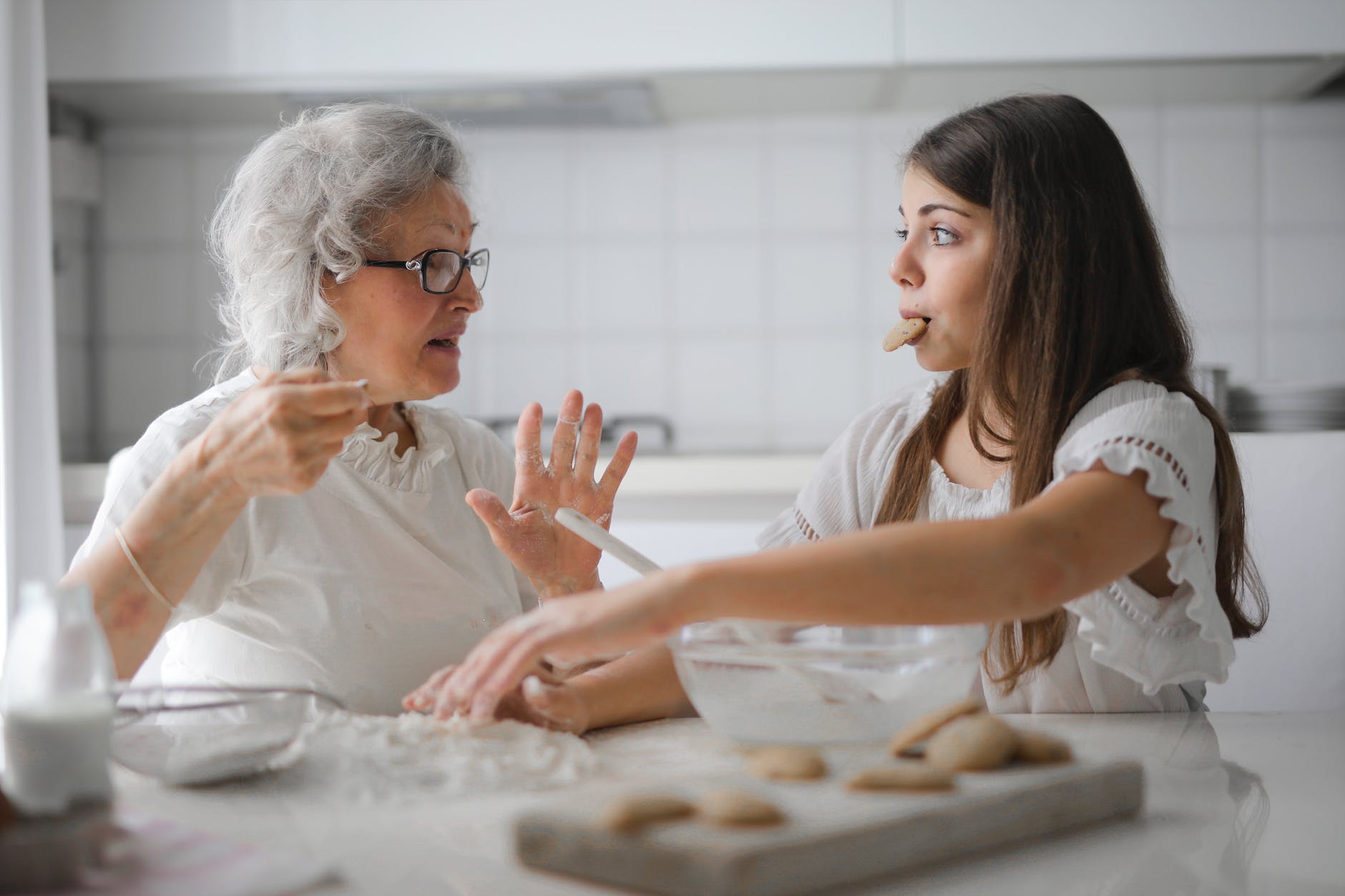
pensive grandmother with granddaughter having interesting conversation while cooking together in light modern kitchen
Photo by Andrea Piacquadio on Pexels.com

Encouraging Self-Expression: The Power of Communication

Encouraging your child to express their thoughts, emotions, and ideas is crucial for their overall development. Discover strategies for creating a supportive environment that nurtures open self-expression, fostering a strong parent-child relationship.

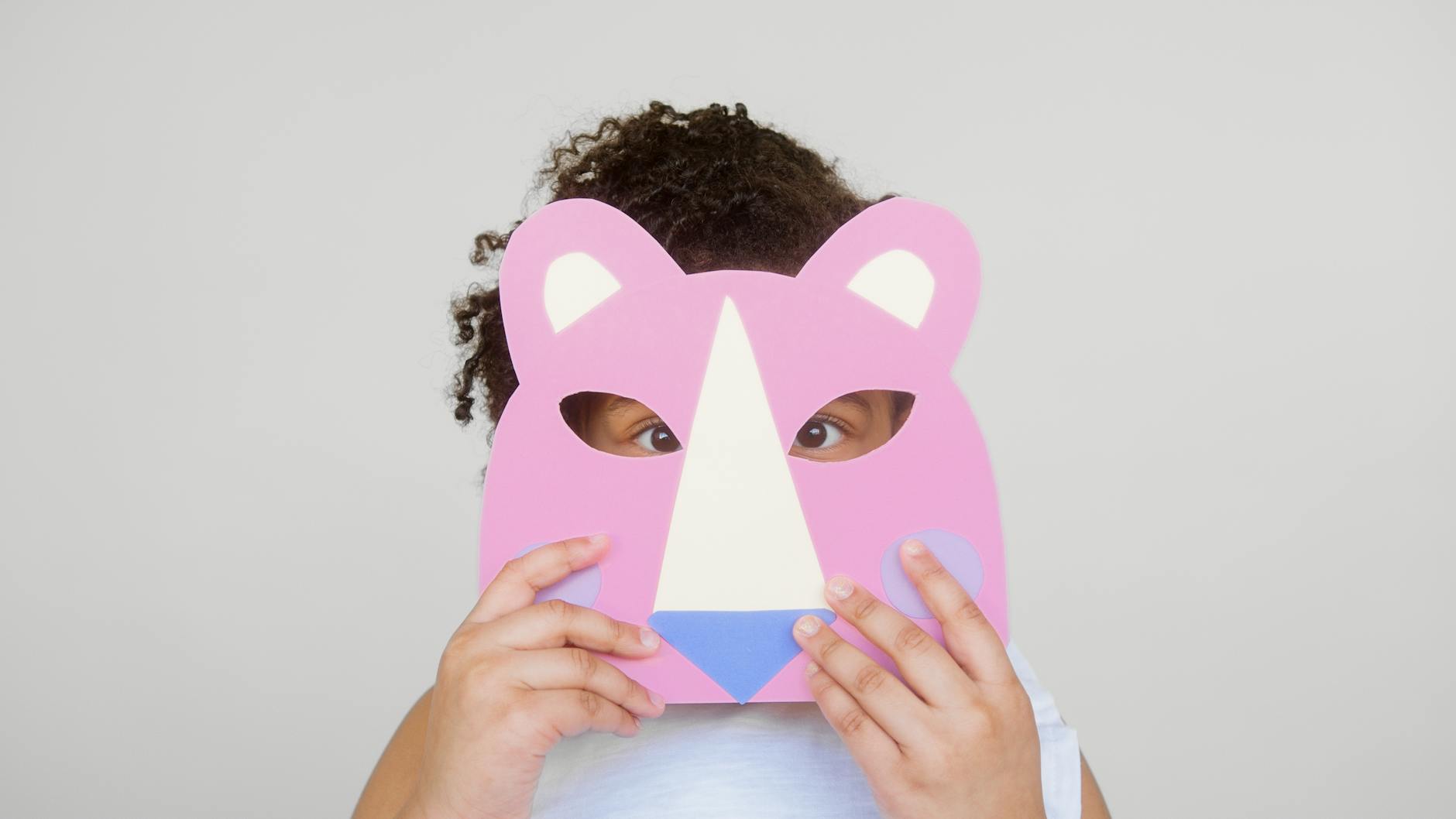
girl covering her face with a cutout animal mask
Photo by Artem Podrez on Pexels.com

Realizing the Long-Term Impact

Building Confidence and Independence: A Parent’s Legacy

Recognizing and nurturing your child’s best qualities contributes to building confidence and fostering independence. Through success stories and testimonials, we’ll illustrate how supportive parenting lays the foundation for a resilient, confident, and self-aware individual.

happy mother and children hugging at home
Photo by Ketut Subiyanto on Pexels.com

The Lifelong Journey of Self-Discovery: A Continuous Process

In conclusion, we’ll emphasize that recognizing and nurturing your child’s best qualities is a lifelong journey. By actively engaging in this process, parents contribute to the development of individuals who are not only self-aware but also equipped with the resilience and confidence needed to navigate life’s challenges.

a kid sitting on the grass
Photo by Hannah Grapp on Pexels.com

Conclusion

As parents, the journey of recognizing and nurturing your child’s best qualities is a profound and ongoing commitment. By celebrating their uniqueness, encouraging their passions, and fostering resilience, you empower your child to become the best version of themselves. Embrace the journey, and witness the incredible growth and development that unfold when you see beyond the surface.

loving family laughing at table having cozy meal
Photo by Elina Fairytale on Pexels.com

In this comprehensive guide, we’ve explored the heart of recognition, the importance of identifying and encouraging inherent talents, building resilience and a positive mindset, effective communication, and understanding, and the long-term impact of recognizing your child’s best qualities. As you embark on this journey, may you find joy in celebrating the incredible individuality of your child, seeing beyond the surface to nurture the qualities that make them extraordinary.

The Ripple Effect: How Parents Shape Their Child’s Educational Journey

Parents shape their child’s educational journey profoundly from early development to significant academic milestones. Creating a supportive environment, role-modelling educational values, open communication, and fostering independence are key methods. Investments in quality time, positive engagement, celebrating effort over perfection, open dialogue, and promoting independence ensures a successful educational journey, remembering that a parent’s involvement can be the catalyst for a lifelong love of learning.

By Prabhash Chandra Jha

Introduction:

In the grand tapestry of a child’s life, parents are the primary weavers, shaping the patterns of their offspring’s future. When it comes to education, this influence is particularly profound. From the earliest stages of development to the momentous milestones of academic achievement, parents play a pivotal role in shaping their child’s educational journey.

The Foundation: Early Childhood Development

The foundation of a child’s educational success is laid in the early years of life. Parents serve as the architects of cognitive, emotional, and social development. From reading bedtime stories to engaging in imaginative play, these seemingly simple activities set the stage for a love of learning.

The Power of a Supportive Environment

A supportive home environment is like fertile soil for a growing mind. Parents who actively participate in their child’s learning create an atmosphere where curiosity is nurtured. Encouraging questions, providing resources, and being actively involved in homework are ways parents contribute to a positive educational environment.

Role Modeling: Setting the Standard

Children are keen observers, and parents are their first role models. How parents approach challenges, problem-solving, and their own pursuit of knowledge leaves an indelible mark on a child’s mindset. Parents who emphasize the value of education through their own actions inspire their children to follow suit.

Communication: The Key to Understanding

Open lines of communication between parents and children are vital for a successful educational journey. Actively listening to a child’s concerns, discussing academic progress, and providing a safe space for expressing thoughts contribute to a strong support system. This communication fosters a sense of security that is essential for optimal learning.

Encouraging Independence: Fostering a Growth Mindset

As children navigate the challenges of education, parents can empower them by fostering a growth mindset. Encouraging resilience in the face of setbacks, celebrating effort, and highlighting the importance of learning from mistakes all contribute to a child’s ability to face academic challenges with confidence.

Conclusion: A Lasting Legacy

In the grand symphony of a child’s education, parents compose the melody that resonates throughout their lives. The impact of parental involvement is far-reaching, influencing not only academic success but also shaping character, resilience, and a lifelong love of learning.

As parents, educators, and caregivers, recognizing the profound influence we wield in the educational sphere empowers us to actively contribute to the flourishing of the next generation.

So, what can you do to ensure your child’s educational journey is filled with harmony and success?

  1. Invest Quality Time: Recall the bedtime story mentioned earlier? Make it a nightly ritual. Share anecdotes from your own life that impart valuable lessons. These shared moments build bonds and instill a love for stories and learning.
  2. Create a Learning Oasis: Turn a corner of your home into a dedicated learning space. Make it inviting with colorful posters, educational games, and a cozy reading nook. This visual cue signals that learning is not confined to the classroom but extends into the heart of your home.
  3. Celebrate Progress, Not Just Perfection: Share stories of your own failures and triumphs. Emphasize the importance of effort and perseverance. Maybe recount a time when you faced a tough challenge and how you overcame it, imparting the lesson that setbacks are stepping stones to success.
  4. Open Dialogue: Initiate conversations about your child’s day, their struggles, and triumphs. Share your own experiences with learning and the joy it brings. This open dialogue fosters a sense of trust, making your child feel comfortable seeking guidance when faced with academic hurdles.
  5. Empower Independence: Remember the image of the child learning independently? Encourage your child to take the lead in their education. Provide choices in their learning path, allowing them to explore subjects that ignite their curiosity.

The seeds planted today will grow into the forests of tomorrow. Let’s nurture the minds of the future with the care and intentionality they deserve.

Your action today could be the catalyst for a lifelong love of learning in your child. Start weaving the fabric of their educational journey now.

Remember, the most beautiful gardens are those tended with love, patience, and attention. Your involvement in your child’s education is the nourishment that will help them bloom into the incredible individuals they are meant to be.

How can I help my Child at home ?

“Empowering Your Child: A Comprehensive Guide on How to Help Your Child at Home”

In the ever-evolving landscape of education, the role of parents in their child’s academic journey is pivotal. Beyond the classroom, a child’s learning is significantly influenced by their home environment. As a parent, you hold a unique power to complement and enhance your child’s educational development. So, how can you effectively help your child at home to foster their growth and success? Let’s explore a comprehensive guide to empower your child’s learning journey.

Cultivate a Supportive Environment

Creating a supportive and nurturing environment at home is foundational. Encourage open communication, active listening, and a non-judgmental atmosphere. Show enthusiasm for your child’s interests and passions. By fostering a safe space, you allow them to explore, make mistakes, and learn from them.

Establish a Consistent Routine

Consistency is key. Develop a routine that incorporates time for studying, playing, and relaxation. A structured routine helps children feel secure and prepares them for future commitments. Set aside time for homework, reading, and creative activities while also allowing room for flexibility.

Encourage a Love for Learning

Cultivate a love for learning by demonstrating curiosity yourself. Read together, explore new hobbies, visit museums, or engage in educational games. Encourage questions and provide resources to find answers. Show your child that learning extends beyond textbooks and classrooms.

Collaborate with Teachers

Maintain an open line of communication with your child’s teachers. Attend parent-teacher meetings, ask for progress updates, and seek guidance on how to support your child’s specific needs. Collaborating with teachers helps in understanding your child’s strengths and areas needing improvement.

Personalize Learning

Recognize and cater to your child’s individual learning style. Some children are visual learners, while others might learn best through hands-on experiences. Adapt teaching methods and materials to accommodate their unique preferences.

Provide Resources and Tools

Create a space at home conducive to learning. Ensure access to books, educational tools, and a quiet study area. Utilize online resources and educational apps that align with their interests and curriculum.

Practice Patience and Encouragement

Be patient and supportive. Celebrate their achievements and offer encouragement in times of difficulty. Allow them to solve problems independently but be there to guide and support when needed.

Set Realistic Goals

Help your child set achievable short-term and long-term goals. Break them down into smaller tasks to make them more manageable. Goal-setting fosters a sense of responsibility and accomplishment.

Foster Independence and Responsibility

Encourage your child to take ownership of their learning. Teach them time management and organizational skills, and instill the importance of responsibility for their studies and commitments.

Emphasize a Balanced Lifestyle

A balanced lifestyle is crucial for overall development. Encourage physical activity, a healthy diet, and ample sleep. A healthy body supports a healthy mind.

Conclusion

Empowering your child’s learning journey is a collaborative effort between home and school. By creating a supportive and engaging environment, fostering a love for learning, and being actively involved in your child’s education, you can profoundly impact their success. Remember, each child is unique, so the key is to adapt and evolve your support according to their individual needs. With your guidance and support, your child can thrive academically and beyond, equipping them for a brighter future.

Do Learning Disabilities Get Worse with Age? Unraveling the Myth

Do Learning Disabilities Get Worse with Age? Unraveling the Myth

Introduction

Learning disabilities are complex neurodevelopmental conditions that impact an individual’s ability to acquire, process, and express information. These conditions are often identified during childhood, but the question remains: do learning disabilities get worse with age? In this blog post, we will delve deeper into the world of learning disabilities, exploring how they evolve over time and the role of early intervention, accommodations, and personal growth.

Understanding the Nature of Learning Disabilities

Learning disabilities are not a single, uniform entity. They encompass a spectrum of challenges, including dyslexia (difficulty with reading and language), ADHD (Attention-Deficit/Hyperactivity Disorder), dyscalculia (difficulty with mathematical concepts), and many more. Each learning disability is characterized by unique symptoms and challenges. As a result, the impact of learning disabilities on individuals can vary widely.

Learning Disabilities in Children

For many, learning disabilities are first identified during childhood, particularly as children begin to tackle fundamental skills like reading, writing, and mathematics. Early diagnosis and intervention are critical in these formative years. Many children with learning disabilities respond positively to specialized educational programs and therapeutic interventions, allowing them to develop strategies for managing their challenges. Some children may even outgrow certain aspects of their disabilities as their brains continue to develop.

Learning Disabilities in Adolescents and Adults

As individuals with learning disabilities transition into adolescence and adulthood, the conditions themselves do not typically worsen with age. Instead, the emphasis shifts towards managing and adapting to these conditions. Early interventions lay the foundation for continued success. By developing effective strategies, such as time management techniques, reading strategies, and self-advocacy skills, individuals with learning disabilities can navigate educational and professional environments with increased independence.

The Role of Early Intervention

Early intervention is a crucial determinant of success for individuals with learning disabilities. Research consistently shows that identifying and addressing these challenges during childhood significantly improves outcomes. It is during these critical years that children can develop the necessary skills to overcome their difficulties. Early interventions can include speech and language therapy, occupational therapy, and specialized educational support tailored to the individual’s needs.

The Importance of Accommodations

Accommodations play a pivotal role in the lives of adults with learning disabilities. These accommodations can range from assistive technology and extended test-taking time to accessible learning materials and supportive workplace environments. By using these tools, adults can continue their education and professional development effectively, ensuring they are not held back by their learning disability.

Embracing a Growth Mindset

One remarkable aspect of individuals with learning disabilities is their tendency to develop a growth mindset. They often become exceptionally resilient, adaptable, and persistent. Learning to embrace their unique strengths and finding innovative ways to work around their challenges, they achieve success in various areas of life. This growth mindset can lead to not only the mitigation but the actual enhancement of their overall quality of life.

Conclusion

In conclusion, learning disabilities themselves do not worsen with age; rather, it is the individual’s ability to adapt, learn, and apply strategies to manage their condition that evolves over time. Early intervention, accommodations, and a growth mindset play crucial roles in helping individuals with learning disabilities lead fulfilling lives and achieve their goals, regardless of their age. Providing support, understanding, and resources is essential to ensure that those with learning disabilities can thrive at any stage of life. As society becomes more aware and accommodating, the potential for individuals with learning disabilities to succeed and thrive only continues to grow.

error: Content is protected !!