
अभिभावक–शिक्षक संबंधों में संवेदना, संरचना और संतुलन की अनिवार्यता
लेखक: प्रभाष चन्द्र झा| शिक्षाविद् एवं विचारक
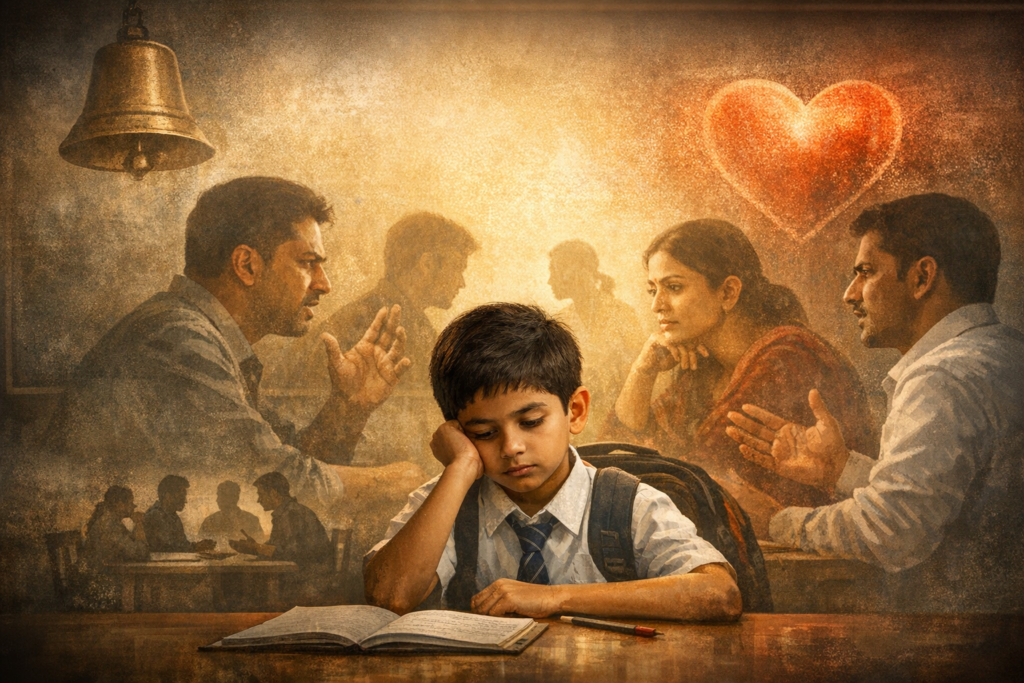
भारतीय विद्यालय व्यवस्था में शिक्षा को प्रायः पाठ्यक्रम, परीक्षा और परिणामों के दायरे में सीमित कर दिया जाता है। किंतु यदि हम विद्यालय के जीवन को थोड़ी सूक्ष्म दृष्टि से देखें, तो एक ऐसा क्षण उभरकर सामने आता है जो इन सबके समानांतर चलते हुए भी उनसे कहीं अधिक प्रभावशाली होता है। यह क्षण है—अभिभावक और शिक्षक के बीच होने वाला संवाद। यह केवल एक औपचारिक बैठक नहीं होती, बल्कि अपेक्षाओं, आशंकाओं, अनुभवों और विश्वासों का वह संगम होती है जहाँ शिक्षा का वास्तविक स्वरूप आकार लेता है।
सामान्यतः अभिभावक-शिक्षक बैठक को एक प्रशासनिक प्रक्रिया के रूप में देखा जाता है, जहाँ छात्र के अंक, व्यवहार और प्रगति पर चर्चा होती है। किंतु इस प्रक्रिया की सतह के नीचे एक जटिल भावनात्मक संरचना सक्रिय होती है। एक पिता अपने बच्चे के भविष्य को लेकर चिंतित होता है, एक माँ अपने बच्चे की भावनात्मक सुरक्षा और स्वीकार्यता को लेकर सजग रहती है, और इन दोनों के बीच एक शिक्षक खड़ा होता है जिससे अपेक्षा की जाती है कि वह केवल जानकारी ही नहीं दे, बल्कि संतुलन भी बनाए रखे। इस त्रिकोणीय संबंध में संवाद का प्रत्येक शब्द, प्रत्येक विराम और प्रत्येक भाव गहरे प्रभाव उत्पन्न करता है।
अभिभावकों के प्रश्न अक्सर सीधे प्रतीत होते हैं, परंतु उनके पीछे की भावनाएँ कहीं अधिक जटिल होती हैं। “अंक कम क्यों हैं?”—यह प्रश्न केवल शैक्षणिक प्रदर्शन का नहीं, बल्कि सामाजिक तुलना, भविष्य की अनिश्चितता और व्यक्तिगत अपेक्षाओं का मिश्रण होता है। “मैं संतुष्ट नहीं हूँ”—यह केवल असंतोष की अभिव्यक्ति नहीं, बल्कि संवाद की कमी, सहभागिता की इच्छा और आश्वासन की तलाश का संकेत हो सकता है। आधुनिक मनोविज्ञान हमें यह बताता है कि व्यक्ति परिस्थितियों पर नहीं, बल्कि उन परिस्थितियों की अपनी व्याख्या पर प्रतिक्रिया करता है। इस दृष्टि से देखा जाए तो अभिभावक का व्यवहार समस्या नहीं, बल्कि उसके भीतर चल रही भावनात्मक प्रक्रिया की अभिव्यक्ति है।
संवाद केवल शब्दों तक सीमित नहीं होता। शरीर भाषा—बैठने की मुद्रा, आँखों का संपर्क, हाथों की गति और यहाँ तक कि मौन भी—संवाद का एक महत्वपूर्ण हिस्सा होते हैं। एक अभिभावक का आगे झुककर बैठना उसकी व्यग्रता का संकेत हो सकता है, हाथों का बंधा होना उसके रक्षात्मक दृष्टिकोण को दर्शा सकता है, और बार-बार प्रश्न पूछना नियंत्रण पाने की कोशिश को प्रकट कर सकता है। अनेक शोध यह संकेत देते हैं कि संप्रेषण का एक बड़ा भाग अशाब्दिक संकेतों के माध्यम से होता है। अतः यदि शिक्षक केवल शब्दों को सुनते हैं, तो वे संवाद के वास्तविक अर्थ को समझने से वंचित रह जाते हैं।
आज की शिक्षा प्रणाली में शिक्षक की भूमिका केवल विषय ज्ञान देने तक सीमित नहीं रह गई है। वह एक भावनात्मक मध्यस्थ के रूप में भी कार्य करता है, जिसे अलग-अलग भावनात्मक स्थितियों के बीच संतुलन स्थापित करना होता है। किंतु इस भूमिका की सबसे बड़ी चुनौती स्वयं को संतुलित बनाए रखना है। जब कोई अभिभावक तीव्र स्वर में प्रश्न करता है या शिक्षक की कार्यप्रणाली पर संदेह व्यक्त करता है, तो स्वाभाविक प्रतिक्रिया रक्षात्मक हो सकती है। ऐसे क्षणों में शिक्षक की परिपक्वता इस बात से तय होती है कि वह प्रतिक्रिया देता है या सजग होकर उत्तर देता है।
संवाद के दौरान एक सूक्ष्म अंतराल होता है—सुनने और उत्तर देने के बीच। यह वही क्षण है जहाँ शिक्षक अपने भीतर की प्रतिक्रिया को पहचान सकता है और उसे नियंत्रित कर सकता है। यदि इस क्षण को सचेत रूप से स्वीकार किया जाए और कुछ पल का विराम लिया जाए, तो संवाद की दिशा बदल सकती है। यह विराम केवल समय का अंतर नहीं होता, बल्कि वह स्थान होता है जहाँ समझ, धैर्य और संतुलन जन्म लेते हैं।
अभिभावक-शिक्षक संवाद में एक तीसरी उपस्थिति भी होती है—बालक। वह भले ही इस संवाद में सक्रिय रूप से भाग न ले, परंतु वह उसका सबसे गहरा प्रभाव ग्रहण करता है। मनोवैज्ञानिक अल्बर्ट बंडूरा के प्रेक्षणीय अधिगम सिद्धांत के अनुसार, बालक अपने आसपास के व्यवहार को देखकर सीखता है। इस प्रकार वह यह सीखता है कि मतभेद कैसे व्यक्त किए जाते हैं, संवाद में सम्मान कैसे बनाए रखा जाता है और कठिन परिस्थितियों में संतुलन कैसे रखा जाता है। इस दृष्टि से देखा जाए तो प्रत्येक अभिभावक-शिक्षक संवाद केवल एक चर्चा नहीं, बल्कि एक जीवंत पाठ है जिसे बालक चुपचाप आत्मसात कर रहा होता है।
यदि हम इस पूरे परिदृश्य को सुधार की दृष्टि से देखें, तो कुछ बुनियादी परिवर्तन आवश्यक प्रतीत होते हैं। सबसे पहले, प्रतिक्रिया के स्थान पर सजग उत्तर देने की संस्कृति विकसित करनी होगी। इसके साथ ही संवाद में केवल तथ्यों पर नहीं, बल्कि भावनाओं पर भी ध्यान देना होगा। अभिभावकों को केवल सुनने वाला नहीं, बल्कि सहभागी बनाना होगा। शिक्षकों के लिए नियमित प्रशिक्षण और समर्थन प्रणाली विकसित करनी होगी ताकि वे इस जटिल भावनात्मक प्रक्रिया को अधिक प्रभावी ढंग से संभाल सकें।
विद्यालय केवल ज्ञान देने का केंद्र नहीं है, वह संबंधों और विश्वास का भी निर्माण स्थल है। यदि अभिभावक और शिक्षक के बीच संवाद में स्पष्टता, संवेदना और संतुलन हो, तो यह न केवल छात्र के शैक्षणिक विकास को प्रभावित करता है, बल्कि उसके भावनात्मक और सामाजिक विकास को भी दिशा देता है। यही वह स्थान है जहाँ शिक्षा केवल सूचना नहीं रहती, बल्कि अनुभव बन जाती है।
अंततः यह समझना आवश्यक है कि शिक्षा का वास्तविक स्वरूप पाठ्यपुस्तकों और परीक्षाओं के बाहर भी विद्यमान है। वह उन सूक्ष्म संवादों में जीवित है जो प्रतिदिन विद्यालयों में घटित होते हैं। अभिभावक और शिक्षक के बीच का यह मौन संवाद ही वह सेतु है जो बच्चे के भीतर विश्वास, संतुलन और समझ का निर्माण करता है।
हर शिक्षा श्यामपट पर नहीं लिखी जाती,
कुछ संवादों में जी जाती है,
और उन्हीं मौन क्षणों में—
शिक्षा अपने सत्य को प्रकट करती है।
